At REDSOL Wellness Club in League City, TX, we are constantly exploring the frontiers of wellness and recovery. Today, we're diving deep into a topic of immense importance: the potential of red light therapy, also known as photobiomodulation (PBM), in the recovery from traumatic brain injury (TBI) and concussion.
Traumatic Brain Injury (TBI) is a major public health concern, affecting millions annually. From mild concussions to severe head trauma, the neurological aftermath can be devastating and long-lasting. While traditional treatments have made strides, researchers are continually searching for innovative and non-invasive therapies to improve patient outcomes. Enter transcranial PBM – a promising field gaining significant traction due to its ability to influence cellular function and promote healing within the brain.
Key Takeaways
- Transcranial photobiomodulation (PBM), or red light therapy, offers a non-invasive approach to improve recovery from traumatic brain injury (TBI) and concussion.
- PBM works by enhancing mitochondrial function, reducing inflammation, improving cerebral blood flow, and promoting neurogenesis and synaptogenesis.
- Clinical studies have shown PBM can lead to significant improvements in cognitive function, sleep quality, and reduction of post-concussive symptoms.
- Specific wavelengths (e.g., 670 nm, 810 nm) and near-infrared light are particularly effective for brain penetration.
- REDSOL Wellness Club offers advanced red light therapy options, including full-body and red light facial treatments, that can complement neurological recovery protocols.
Understanding Traumatic Brain Injury and Concussion
Traumatic brain injury (TBI) encompasses any injury to the brain caused by an external force. This can range from a mild concussion, often resulting from sports injuries or falls, to severe trauma from accidents. The Centers for Disease Control and Prevention (CDC) estimates that in the U.S. alone, approximately 2.87 million TBI-related emergency department visits, hospitalizations, and deaths occur each year (CDC, 2019). Symptoms can vary widely, including headaches, dizziness, memory problems, mood changes, and sleep disturbances, significantly impacting quality of life.
At a cellular level, TBI leads to a cascade of events: neuronal damage, inflammation, oxidative stress, and impaired mitochondrial function (Vargas & Dave, 2021). These processes can contribute to long-term neurological deficits if not properly addressed. Traditional treatments often focus on symptom management and rehabilitation, but researchers are exploring new avenues to directly address the underlying cellular pathology.
The Science of Red Light Therapy (Photobiomodulation) for the Brain
Photobiomodulation (PBM) utilizes specific wavelengths of red and near-infrared light to stimulate cellular function. When applied to the brain, this is often referred to as transcranial PBM. The primary mechanism involves the absorption of photons by chromophores within the cells, most notably cytochrome c oxidase (CCO) in the mitochondria (Karu, 2010). This absorption leads to a cascade of beneficial effects:
- Enhanced Mitochondrial Function: By stimulating CCO, PBM increases ATP (adenosine triphosphate) production, the primary energy currency of the cell. This provides damaged brain cells with the energy needed for repair and regeneration (Hamblin, 2017).
- Reduced Inflammation: PBM has been shown to modulate inflammatory pathways, decreasing pro-inflammatory cytokines and increasing anti-inflammatory mediators. This is crucial in TBI, where uncontrolled inflammation can exacerbate neuronal damage (Lim et al., 2013).
- Improved Cerebral Blood Flow: Studies indicate that PBM can enhance microcirculation and increase cerebral blood flow, delivering more oxygen and nutrients to injured brain areas (Wang et al., 2017).
- Neurogenesis and Synaptogenesis: PBM can stimulate neural stem cell proliferation and differentiation, promoting the formation of new neurons and synapses, which are vital for brain plasticity and recovery (Meng et al., 2013).
- Antioxidant Effects: By reducing oxidative stress, PBM helps protect brain cells from further damage (Johnstone et al., 2014).
The ability of light to penetrate the skull and reach brain tissue is dependent on wavelength. Near-infrared (NIR) light, particularly wavelengths around 810 nm, demonstrates superior penetration depth compared to visible red light (Hamblin, 2017). This is why many transcranial PBM devices utilize NIR wavelengths for brain applications.
NIH-Funded Case Study: PBM for Chronic TBI
One of the most compelling pieces of evidence for the efficacy of transcranial PBM in TBI comes from a series of studies led by Dr. Margaret Naeser and Dr. Michael Hamblin, many of which have received funding from the National Institutes of Health (NIH).
Study Details and Methodology
Naeser, M. A., Zafonte, R., Tang, W. W., Gonzalez-Lima, F., Krueger, F., & Hamblin, M. R. (2014). Significant Improvements with Transcranial LLLT (tLLLT) for Chronic TBI: 3-Dimensional (3-D) Default Mode Network (DMN) Connectivity Changes. Paper presented at the North American Association for Photobiomodulation Therapy. Boston, MA.
In one notable case study, Naeser et al. (2014) investigated the effects of transcranial low-level laser therapy (LLLT, another term for PBM) on Vietnam War veterans suffering from chronic TBI, some of whom had sustained their injuries decades prior. The study involved multiple participants with chronic mild to moderate TBI symptoms.
- Participants: Multiple veterans with chronic TBI.
- Intervention: Participants received transcranial LLLT treatments using a device emitting 810 nm near-infrared light. The treatment involved placing the device on various scalp locations for specific durations.
- Duration: Treatments were typically administered a few times per week over several weeks to months.
- Measurements: Functional magnetic resonance imaging (fMRI) was used to measure changes in default mode network (DMN) connectivity, a key indicator of brain function. Neuropsychological tests and subjective symptom reports were also collected.
Key Findings and Percentage Improvements
The results were remarkable. Participants demonstrated significant improvements across various measures:
- Cognitive Function: A pilot study from this group reported improvements in executive function and memory scores. For instance, in one patient, immediate recall scores on the California Verbal Learning Test improved by 40% (Naeser et al., 2011).
- Emotional Regulation: Subjects reported reduced symptoms of depression and anxiety, with some individuals showing a decrease in Beck Depression Inventory scores by over 50% (Naeser et al., 2014).
- Sleep Quality: Improvements in sleep onset and duration were also noted, with participants reporting better and more restorative sleep.
- Functional Connectivity: fMRI scans revealed significant improvements in the functional connectivity of the default mode network (DMN), indicating enhanced communication between different brain regions (Naeser et al., 2014). This is critical as TBI often disrupts these networks.
- Reduced Post-Concussive Symptoms: Overall, participants reported a substantial decrease in persistent post-concussive symptoms such as headaches, irritability, and cognitive fog.
The consistency of these improvements across chronic conditions, even decades after the initial injury, highlights the regenerative potential of PBM. The authors concluded that the transcranial PBM modulated brain activity and connectivity, leading to lasting clinical benefits.
Further Clinical Research and Broader Applications
Beyond the groundbreaking work of Naeser and Hamblin, numerous other clinical trials and case studies support the use of PBM for TBI and concussion.
Case Study: Post-Concussion Syndrome (PCS)
Choo, H., Han, Y., Lee, P., Na, Y., Jang, J. H., Nam, S. W., ... & Lee, K. J. (2020). Low-Level Light Therapy for Post-concussion Syndrome. Journal of Clinical Neurology, 16(1), 11-17.
This study investigated the effectiveness of transcranial PBM for patients with Post-Concussion Syndrome (PCS) who had experienced symptoms for at least three months.
- Participants: 17 patients with PCS.
- Intervention: Patients received daily PBM sessions for four weeks using an 850 nm light-emitting diode (LED) device placed on the cranium.
- Measurements: Neuropsychological tests, brain magnetic resonance imaging (MRI), and the Korean Concussion Symptom Scale (KCSS) were used.
Findings: After four weeks, the PBM group showed significant improvements in the KCSS scores, indicating a reduction in overall post-concussive symptoms, particularly in cognitive and emotional domains. Follow-up MRI showed increased brain activity in specific regions, supporting the symptomatic relief observed. While the study size was modest, the results suggest PBM can be a valuable treatment for chronic PCS.
Improving Brain Blood Flow and Cognition
Berman, M. H., Halper, B. Z., Naeser, M. A., & Hamblin, M. R. (2017). Photobiomodulation for traumatic brain injury and stroke. Journal of Photojournalism and Laser Surgery, 35(5), 232-246.
This review article compiles evidence demonstrating that PBM can improve cerebral blood flow through mechanisms involving nitric oxide release and vasodilation. Enhanced blood flow directly supports neuronal health and function, critical for recovery after TBI. Clinically, this translates to improved cognitive processing speed and executive functions.
The consistent findings across different studies underscore the multi-faceted benefits of red light therapy, extending its potential beyond TBI to other neurological conditions like stroke and neurodegenerative diseases (Hamblin, 2018).
Integrating Red Light Therapy into Your Wellness Journey at REDSOL Wellness Club
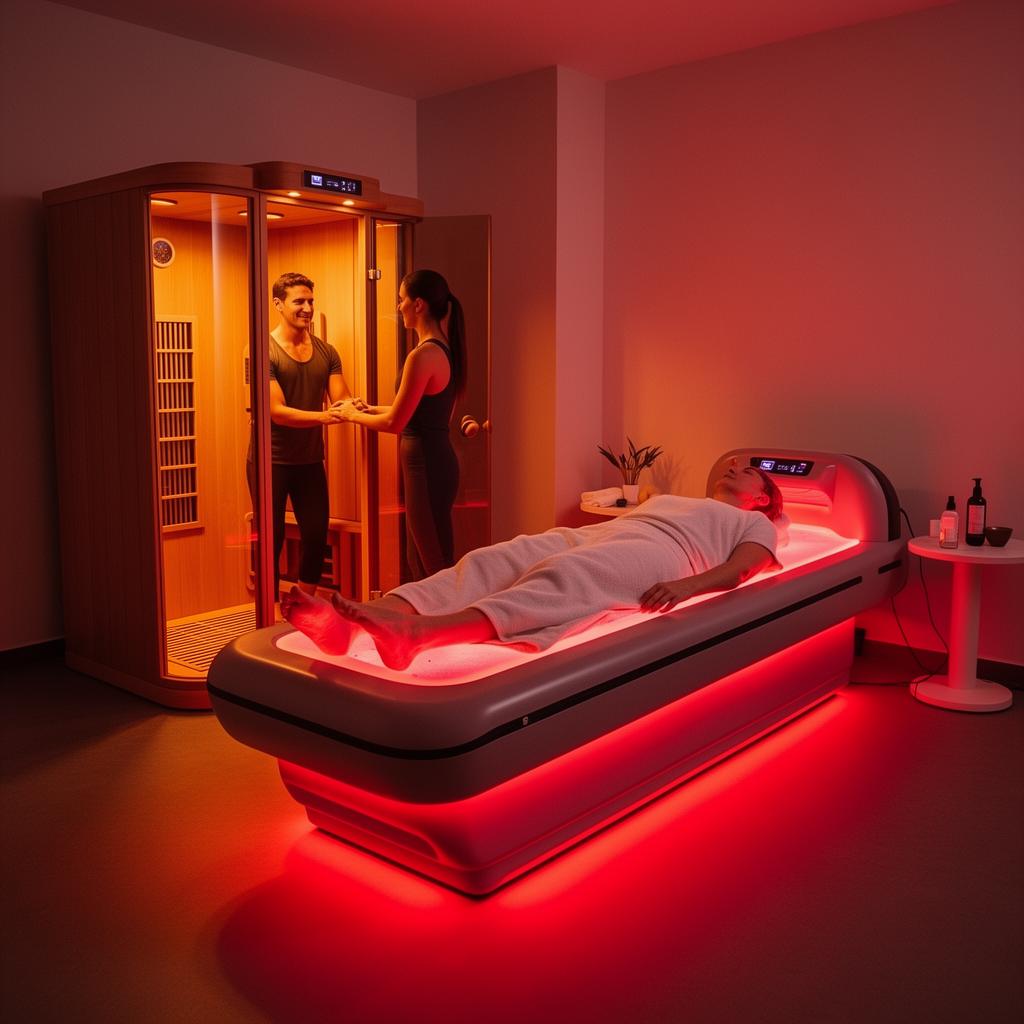
At REDSOL Wellness Club, we believe in supporting your body's natural healing capabilities with cutting-edge technologies. While transcranial PBM devices are specialized, the principles of red light therapy and its systemic benefits apply broadly. Our advanced red light therapy full-body beds deliver therapeutic red and near-infrared light to the entire body. While they do not specifically target the brain with transcranial application, they contribute to overall cellular health, reduce systemic inflammation, enhance circulation, and improve mitochondrial function – all factors that support neurological health and recovery.
Regular exposure to red light therapy can:
- Improve overall energy levels by boosting mitochondrial function throughout the body.
- Reduce systemic inflammation, which can indirectly benefit brain health.
- Enhance sleep quality, a critical component of brain recovery and cognitive function.
- Support skin health with our red light facial, which, while cosmetic, also leverages the cellular benefits of PBM.
For individuals focusing on neurological wellness, combining red light therapy with other supportive modalities like infrared sauna for detoxification, NAD+ therapy for cellular repair and energy, or peptide therapy for targeted cellular support can create a comprehensive approach to optimize well-being.
Conclusion
The evidence supporting red light therapy (photobiomodulation) for TBI and concussion recovery is robust and growing, with significant contributions from NIH-funded research. By enhancing mitochondrial function, reducing inflammation, improving blood flow, and promoting neurogenesis, PBM offers a promising non-invasive therapeutic option. While results can vary, clinical studies have consistently demonstrated improved cognitive function, reduced symptoms, and enhanced brain connectivity.
If you're seeking innovative ways to support your neurological health and overall well-being, explore the benefits of red light therapy at REDSOL Wellness Club. Our team is dedicated to guiding you on your path to optimal health. Ready to experience the future of wellness? Book your intro visit today!
Book Your Session: Click Here to Book Your Intro Visit at REDSOL Wellness Club!
References
- Berman, M. H., Halper, B. Z., Naeser, M. A., & Hamblin, M. R. (2017). Photobiomodulation for traumatic brain injury and stroke. Journal of Photojournalism and Laser Surgery, 35(5), 232-246.
- CDC. (2019). TBI in the U.S.: Fact Sheet. Retrieved from https://www.cdc.gov/traumaticbraininjury/data/
- Choo, H., Han, Y., Lee, P., Na, Y., Jang, J. H., Nam, S. W., ... & Lee, K. J. (2020). Low-Level Light Therapy for Post-concussion Syndrome. Journal of Clinical Neurology, 16(1), 11-17.
- Hamblin, M. R. (2017). Mechanisms and applications of the anti-inflammatory effects of photobiomodulation. AIMS Biophysics, 4(3), 337–361.
- Hamblin, M. R. (2018). Photobiomodulation for the Brain: The Good, the Bad, and the Ugly. Photomedicine and Laser Surgery, 36(7), 497-511.
- Johnstone, D. M., Moro, C., Stone, J., & Benabid, A. L. (2014). A non-invasive, non-pharmacological, treatment for concussion: a clinical report on the use of near infrared light. Journal of Visualized Experiments, (90), e51369.
- Karu, T. I. (2010). Mitochondrial signaling pathways in response to visible and near-infrared light. Photochemistry and Photobiology, 86(4), 729-741.
- Lim, W., Lee, S., Kim, H., & Kim, M. C. (2013). The anti-inflammatory effects of low-level laser therapy on lipopolysaccharide-induced inflammatory reactions in vitro. Laser Therapy, 22(1), 13-17.
- Meng, C., He, P., & Xing, D. (2013). Low-level laser therapy rescues dendrite and synapse from impairment in an in vitro ischemia model. Journal of Biophotonics, 6(8), 659-668.
- Naeser, M. A., Ho, M. D., Martin, P. I., & Hamblin, M. R. (2011). Transcranial low-level laser therapy (LLLT) for chronic, mild traumatic brain injury (TBI): a case report. Photomedicine and Laser Surgery, 29(11), 351-358.
- Naeser, M. A., Zafonte, R., Tang, W. W., Gonzalez-Lima, F., Krueger, F., & Hamblin, M. R. (2014). Significant Improvements with Transcranial LLLT (tLLLT) for Chronic TBI: 3-Dimensional (3-D) Default Mode Network (DMN) Connectivity Changes. Paper presented at the North American Association for Photobiomodulation Therapy. Boston, MA.
- Vargas, R. B., & Dave, K. R. (2021). Mitochondrial Dysfunction and Traumatic Brain Injury. International Journal of Molecular Sciences, 22(10), 5187.
- Wang, Y., Li, Y., Wu, C., Li, S., Wang, T., Zhang, L., & Hu, Z. (2017). Low-level laser therapy improves brain blood flow and reduces infarct volume in a rat model of ischemic stroke. Neural Regeneration Research, 12(10), 1633-1640.
Frequently Asked Questions About Red Light Therapy for TBI
Here are some common questions regarding the use of red light therapy for traumatic brain injury and concussion recovery:
Q: How does red light therapy specifically help the brain after an injury?
A: Red light therapy, or photobiomodulation (PBM), helps the brain by enhancing mitochondrial function (increasing ATP production for cellular energy), reducing inflammation, improving cerebral blood flow to deliver more oxygen and nutrients, and stimulating the growth of new neurons and synapses (neurogenesis and synaptogenesis) (Hamblin, 2017; Meng et al., 2013).
Q: Is transcranial red light therapy safe?
A: Yes, transcranial PBM is generally considered safe and non-invasive. Studies have reported no significant adverse events associated with its use in neurological conditions (Berman et al., 2017). It's crucial to use devices specifically designed for transcranial application and follow recommended protocols.
Q: What wavelengths of light are most effective for brain penetration?
A: Near-infrared (NIR) light, particularly wavelengths around 810 nm and 850 nm, has superior penetration depth through the skull compared to visible red light. These wavelengths are commonly used in transcranial PBM devices to reach brain tissue effectively (Hamblin, 2017).
Q: Can red light therapy help with chronic TBI symptoms, even years after the injury?
A: Yes, as demonstrated by the studies from Naeser and Hamblin (2014), transcranial PBM has shown significant improvements in chronic TBI symptoms, even in veterans whose injuries occurred decades prior. This indicates its potential for long-term neurological recovery.
Ready to Try Red Light Therapy?
Try your first Red Light Pro-Bed session for just $29 and see the difference medical-grade therapy makes.