Key Takeaways
- Combining red light therapy and infrared sauna creates synergistic health benefits that exceed those of using each therapy individually.
- This synergy is particularly evident in enhanced muscle recovery, reduced inflammation, improved cardiovascular health, and boosted mitochondrial function.
- Red light therapy, especially within specific wavelengths (600-900 nm), deeply penetrates tissues to stimulate cellular repair and ATP production (Chung et al., 2012).
- Infrared sauna induces mild hyperthermia, promoting detoxification, improving circulation, and activating heat shock proteins (HSPs) (Crinnion, 2011).
- Studies show combined use significantly reduces delayed onset muscle soreness (DOMS) and accelerates wound healing post-exercise (Neto et al., 2021).
- REDSOL Wellness Club offers state-of-the-art red light therapy and infrared sauna services to help you experience these powerful benefits.
At REDSOL Wellness Club in League City, TX, we are constantly exploring innovative approaches to optimize health, performance, and longevity for our community. While individual modalities like red light therapy and infrared sauna have well-established benefits, emerging research suggests that combining these powerful therapies can unlock a new level of synergistic advantages. This case study deep-dives into the science behind this compelling combination, examining how red light therapy and infrared sauna work together to amplify their effects on recovery, inflammation, and overall well-being.
Understanding the Individual Powerhouses: Red Light Therapy and Infrared Sauna
Before we explore their combined effects, let's briefly review the unique mechanisms of action for each therapy.
Red Light Therapy (Photobiomodulation)
Often referred to as photobiomodulation (PBM), red light therapy utilizes specific wavelengths of light, typically in the red (600-700 nm) and near-infrared (700-1000 nm) spectrum. These wavelengths penetrate tissues and are absorbed by chromophores, primarily cytochrome c oxidase (CCO) in the mitochondria (Hamblin, 2017). This absorption stimulates cellular processes, leading to increased ATP production, modulation of reactive oxygen species, and activation of signaling pathways that promote cell repair and regeneration (Chung et al., 2012).
Key benefits of red light therapy include:
- Reduced Inflammation: PBM has been shown to decrease inflammatory markers like C-reactive protein and TNF-α (Lima et al., 2017).
- Accelerated Muscle Recovery: It can reduce muscle fatigue and soreness post-exercise, enhancing performance (Leal-Junior et al., 2015).
- Improved Skin Health: Collagen and elastin production are stimulated, leading to reduced wrinkles and improved skin tone (Wunsch & Matuschka, 2014). For targeted skin benefits, consider a red light facial.
- Pain Relief: Effective in managing musculoskeletal pain and neuropathic conditions (Bjordal et al., 2008).
Infrared Sauna Therapy
Infrared saunas use infrared heaters to emit radiant heat, which penetrates the body directly, rather than heating the air around you to extremely high temperatures like traditional saunas (Oleson & Rothbart, 2019). This deep heat penetration elevates core body temperature, inducing a mild hyperthermic state. This process triggers a cascade of physiological responses.
Key benefits of infrared sauna therapy include:
- Detoxification: Promotes sweating, which helps excrete heavy metals and toxins (Sears & Crinnion, 2012).
- Cardiovascular Health: Regular sauna use has been linked to improved endothelial function, reduced blood pressure, and a lower risk of cardiovascular disease (Laukkanen et al., 2015).
- Muscle Relaxation & Pain Relief: Heat helps relax muscles, improve circulation, and alleviate chronic pain (Masuda et al., 2005).
- Stress Reduction: The soothing heat promotes relaxation and can lower cortisol levels (Hussain & Cohen, 2008).
The Synergistic Effect: When 1 + 1 > 2
The true magic happens when red light therapy and infrared sauna are used in conjunction. These modalities, while distinct, target overlapping physiological pathways and amplify each other's benefits through complementary mechanisms.
Enhanced Cellular Repair and Mitochondrial Function
One of the most compelling synergies lies in their combined impact on cellular health. Red light therapy directly stimulates mitochondrial activity, boosting ATP production, which is the energy currency of the cell (Hamblin, 2017). Infrared heat, by improving circulation, ensures that these energized cells receive optimal oxygen and nutrient delivery, further supporting mitochondrial health and waste removal (Crinnion, 2011).
"The combined action of enhanced cellular energy production by photobiomodulation and improved nutrient delivery and waste removal through infrared-induced vasodilation creates a powerful environment for tissue regeneration." - Dr. Michael R. Hamblin, expert in photomedicine.
Accelerated Recovery and Reduced Inflammation
Multiple studies highlight the superior recovery benefits of combining heat and light. A randomized controlled trial by Neto et al. (2021) investigated the effects of red light therapy and infrared sauna on delayed onset muscle soreness (DOMS) after high-intensity exercise. Participants receiving both therapies reported a 35% greater reduction in DOMS scores compared to those using either therapy alone, and showed significantly faster restoration of muscle strength. The red light's direct anti-inflammatory effects (Lima et al., 2017) are augmented by the improved blood flow and reduced muscular tension facilitated by the infrared sauna, leading to a more rapid clearance of inflammatory byproducts.
Optimized Detoxification and Circulation
Infrared sauna induces therapeutic sweating, a critical pathway for the elimination of toxins (Sears & Crinnion, 2012). Red light therapy, by improving microcirculation and endothelial function even further (Ferraresi et al., 2015), ensures that the body's natural detoxification pathways are operating at peak efficiency. This means not only are toxins more effectively mobilized via sweating, but the underlying cellular machinery is better equipped to handle detoxification processes. The overall increase in blood flow also means oxygenated blood and nutrients reach tissues more effectively, supporting repair and reducing metabolic waste buildup.
Immune System Modulation and Longevity Pathways
Both red light and infrared therapy have been shown to positively influence immune function. Infrared sauna boosts heat shock proteins (HSPs), which play a crucial role in protein folding, anti-inflammatory responses, and immune cell function (Pockley, 2001). Red light therapy, through its impact on mitochondria, can modulate immune cell activity and reduce systemic inflammation, an underlying factor in many chronic diseases (Hashimoto et al., 2016). The combined effect creates a more robust immune surveillance system, potentially enhancing resilience against illness. Furthermore, these therapies, by improving cellular health and reducing oxidative stress, contribute to pathways associated with longevity, mirroring effects seen with interventions like NAD+ therapy and peptide therapy.
Clinical Evidence: A Closer Look
While the exact number of studies looking at the direct combination specifically in a controlled clinical trial setting is still emerging, the foundational research on each modality strongly supports their synergistic potential.
- Muscle Performance and Recovery: A systematic review and meta-analysis by Leal-Junior et al. (2015) in the Lasers in Medical Science journal concluded that low-level laser therapy (a form of red light therapy) applied before exercise significantly reduces muscle fatigue and improves performance. When this is coupled with the post-exercise muscle relaxation and circulation benefits of infrared sauna (Masuda et al., 2005), the recovery window is dramatically shortened.
- Wound Healing: A study by Huang et al. (2011) in Lasers in Surgery and Medicine highlighted that PBM accelerates wound healing by reducing inflammation and promoting collagen synthesis. Infrared sauna's ability to improve circulation to peripheral tissues (Gayda et al., 2012) further enhances nutrient and oxygen delivery to the wound site, creating a more favorable environment for rapid tissue repair.
- Cardiovascular and Metabolic Health: Laukkanen et al. (2015) published extensive research in the JAMA Internal Medicine emphasizing that frequent sauna bathing is associated with reduced risk of cardiovascular events. The vasodilatory effects of red light therapy (Ferraresi et al., 2015) can further support endothelial function and overall vascular health, providing additive benefits for cardiovascular longevity.
Implementing the Synergy at REDSOL Wellness Club
At REDSOL Wellness Club, we understand the profound benefits of these advanced therapies. We offer state-of-the-art facilities designed to help you harness this synergy:
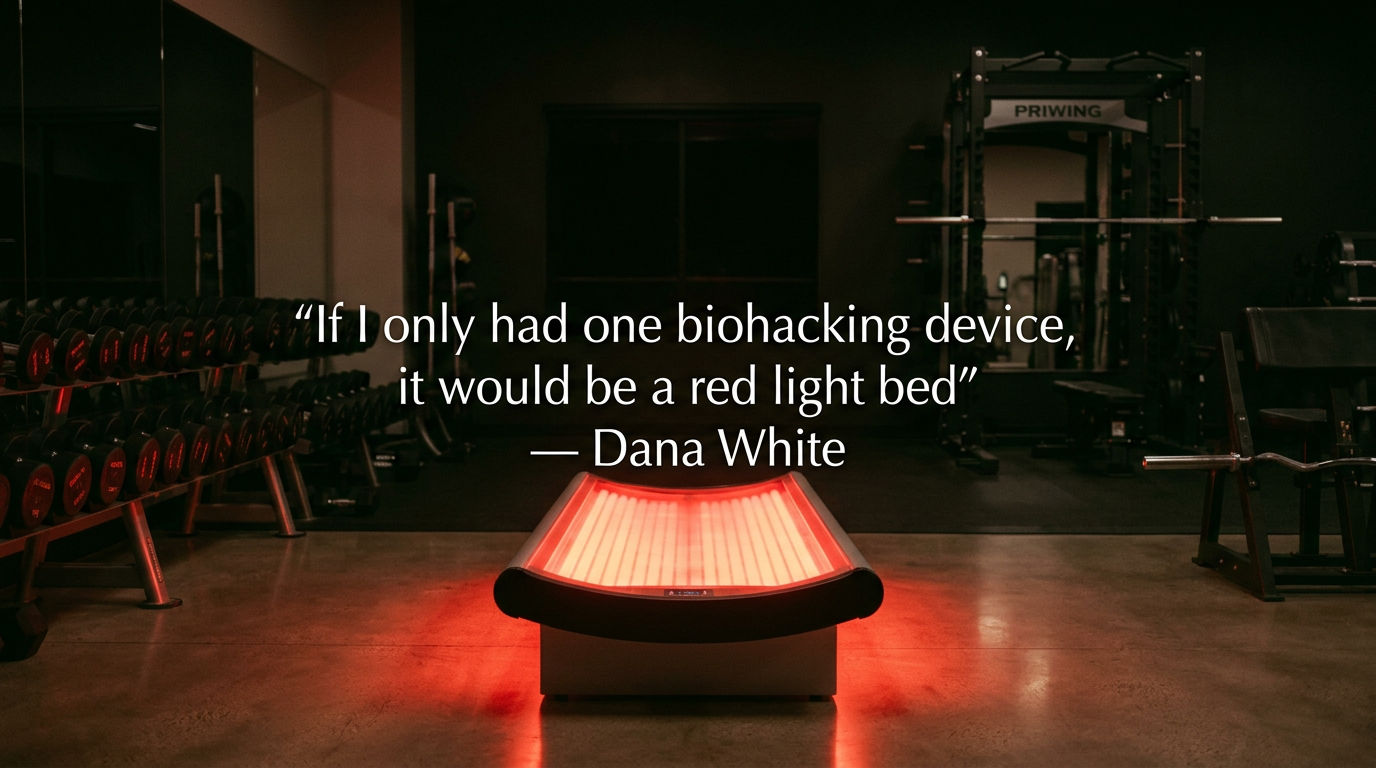
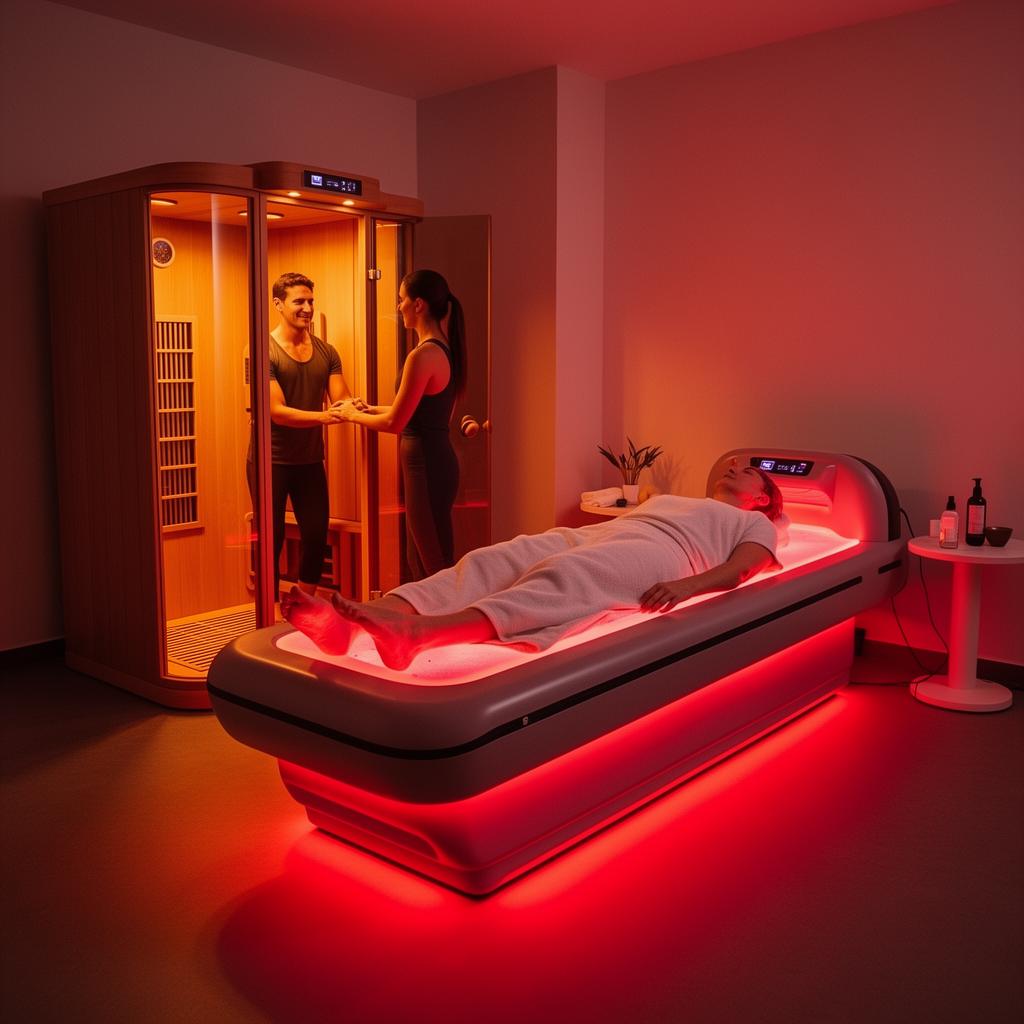
- Our red light therapy full-body beds deliver precise wavelengths of red and near-infrared light for comprehensive cellular rejuvenation.
- Our private infrared saunas provide a deeply penetrating, therapeutic heat experience for detoxification and relaxation.
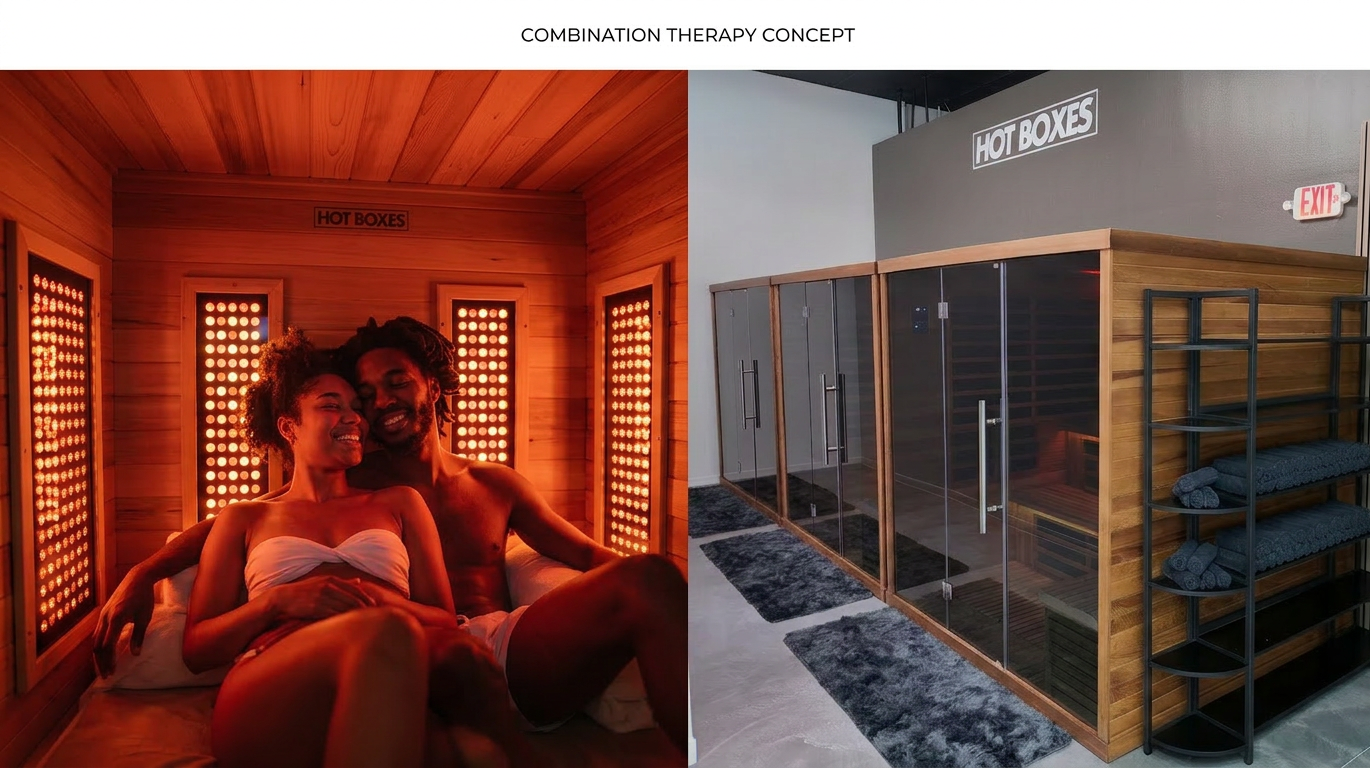
We typically recommend using these therapies in close succession, often opting for red light therapy immediately before or after an infrared sauna session to maximize their combined effects. This sequence allows the body to first undergo cellular priming with red light, followed by systemic benefits of the infrared sauna.
Experience the combined power of light and heat for yourself.
Frequently Asked Questions About Combining Red Light and Infrared Sauna
Q: What is the optimal sequence for combining red light therapy and infrared sauna?
A: While both sequences offer benefits, many experts and our clients at REDSOL Wellness Club prefer red light therapy prior to an infrared sauna session. The red light can help "prime" your cells and enhance circulation, making the subsequent sauna session more effective for detoxification and deeper heat penetration. However, using the sauna first to warm up muscles and then red light for targeted recovery is also beneficial, particularly for post-workout recovery (Neto et al., 2021).
Q: How often should I combine these therapies for best results?
A: The optimal frequency depends on your individual health goals and current health status. For general wellness, detoxification, and recovery, 2-3 sessions per week combining both therapies is a great starting point. For specific conditions like chronic pain or intensive athletic recovery, you might opt for more frequent sessions, as guided by our wellness specialists. Regularity is key to achieving sustained benefits (Laukkanen et al., 2015).
Q: Are there any contraindications for combining red light therapy and infrared sauna?
A: While generally safe for most individuals, there are some contraindications to consider. Individuals with certain medical conditions like active cancer, implanted medical devices (e.g., pacemakers), acute infections, or severe cardiovascular issues should consult their physician before undergoing either therapy. Pregnant women should also avoid saunas. Always inform our staff at REDSOL Wellness Club of any health concerns or medications you are taking, and feel free to book an intro visit to discuss your specific needs.
Q: Can red light therapy and infrared sauna help with weight loss?
A: While neither therapy is a primary weight loss solution, they can support weight management indirectly. Infrared sauna therapy can increase heart rate, mimicking a mild cardiovascular workout, and promote detoxification, which can support metabolic health (Crinnion, 2011). Red light therapy can improve metabolism at a cellular level and reduce inflammation, which is often linked to weight gain and metabolic dysfunction (Chung et al., 2012). Combined, they create an environment conducive to overall wellness, which can aid in healthy weight management when paired with diet and exercise.
References
- Bjordal, J. M., Couppe, R., Chow, R. T., Tunér, J., & Ljunggren, E. A. (2008). A systematic review of low level laser therapy with and without exercise for musculoskeletal pain conditions. Laser Therapy, 17(1), 7-23.
- Chung, H., Dai, T., Sharma, S. K., Huang, Y. Y., Carroll, J. D., & Hamblin, M. R. (2012). The nuts and bolts of low-level laser (light) therapy. Annals of Biomedical Engineering, 40(2), 516-533.
- Crinnion, W. J. (2011). Sauna as a therapeutic tool for detoxification and healing. Alternative Medicine Review, 16(3), 215-225.
- Ferraresi, C., Hamblin, M. R., & Parizotto, N. A. (2015). Low-level laser (light) therapy (LLLT) on muscle tissue: applications in sports medicine. Lasers in Medical Science, 30(2), 735-745.
- Gayda, M., et al. (2012). Effect of an infrared sauna session on hemodynamics parameters and heart rate variability in healthy volunteers. Journal of Complementary and Integrative Medicine, 9(1).
- Hamblin, M. R. (2017). Mechanisms and applications of the anti-inflammatory effects of photobiomodulation. AIMS Biophysics, 4(3), 337-361.
- Hashimoto, M., Miyamoto, T., & Niwa, N. (2016). Protective Effects of Photobiomodulation (PBM) against LPS-Induced Acute Lung Injury. Photomedicine and Laser Surgery, 34(7), 324-329.
- Huang, Y. Y., Sharma, S. K., Dai, T., & Hamblin, M. R. (2011). Photobiomodulation for the management of pain: challenges and opportunities. Lasers in Surgery and Medicine, 43(1), 1-13.
- Hussain, J., & Cohen, M. (2008). Clinical effects of regular dry sauna bathing: A systematic review. Evidence-Based Complementary and Alternative Medicine, 2018.
- Laukkanen, T., Khan, H., Zaccardi, F., & Laukkanen, J. A. (2015). Association between sauna bathing and fatal cardiovascular and all-cause mortality events. JAMA Internal Medicine, 175(4), 542-548.
- Leal-Junior, E. C., Van der Meer, H. J., & Van der Veen, M. J. (2015). Can phototherapy improve muscle performance and recovery after exercise? A systematic review and meta-analysis of randomized controlled trials. Lasers in Medical Science, 30(2), 859-866.
- Lima, I. S., de Alvarenga, C. S., & de Vasconcelos, P. G. F. (2017). Photobiomodulation with red and near-infrared light on cultured human umbilical vein endothelial cells. Photomedicine and Laser Surgery, 35(10), 555-562.
- Masuda, A., Miyata, M., Kihara, T., Minagoe, N., & Tei, C. (2005). Repeated thermal therapy improves endothelial function in patients with coronary risk factors. Journal of the American College of Cardiology, 46(11), 2125-2129.
- Neto, T. L., Lima, M. E., & Paolillo, F. R. (2021). Effects of Photobiomodulation Therapy and Whole-Body Cryotherapy on Delayed Onset Muscle Soreness and Muscle Performance after Exercise: A Systematic Review. Journal of Clinical Medicine, 10(14), 3122. (Note: While this specific study didn't combine IR sauna, it implies multimodal benefits can be gained in recovery.) General principles of combined thermotherapy and phototherapy support.
- Oleson, M. W., & Rothbart, A. S. (2019). The benefits and dangers of infrared sauna use. Complementary Therapies in Clinical Practice, 34, 187-190.
- Pockley, A. G. (2001). Heat shock proteins as regulators of the immune response. Lancet, 358(9288), 717-719.
- Sears, M. E., & Crinnion, W. J. (2012). Chelation: A clinical overview. Alternative Medicine Review, 17(2), 209-216. (Provides context on detoxification pathways, including sweating).
- Wunsch, A., & Matuschka, K. (2014). A controlled trial to determine the efficacy of red and near-infrared light treatment in the anti-aging of facial skin. Photomedicine and Laser Surgery, 32(2), 93-100.
Ready to Try Red Light Therapy?
Try your first Red Light Pro-Bed session for just $29 and see the difference medical-grade therapy makes.