Dark spots, uneven skin tone, and hyperpigmentation are among the most common skin concerns — and some of the hardest to treat. Whether it's sun damage, melasma, or post-acne marks, stubborn pigmentation can take months to fade with topical products alone.
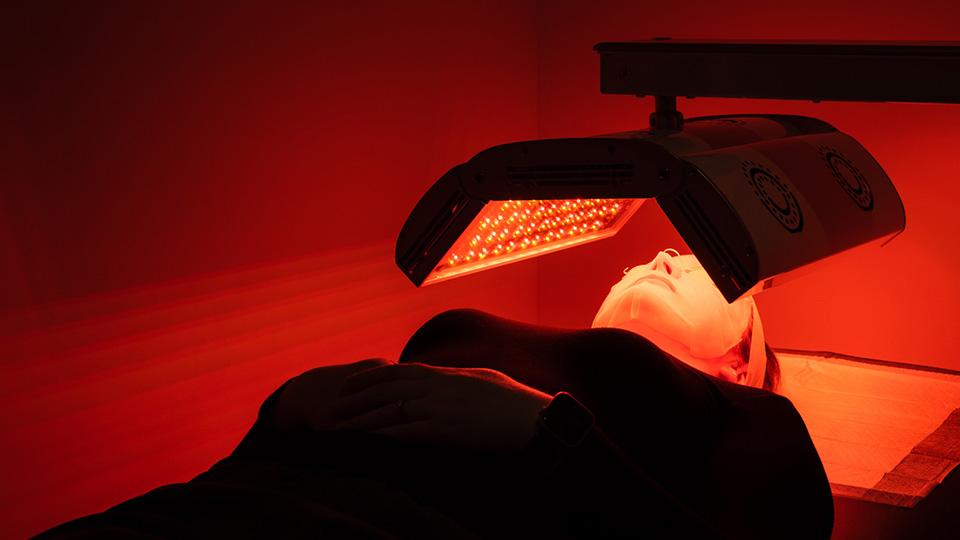
Red light therapy accelerates the process by working at the cellular level to promote skin renewal and regulate melanin production. At REDSOL Wellness Club in League City, TX, we use medical-grade LED facial therapy to help clients achieve more even, radiant skin. Your intro session is $29.
Understanding Hyperpigmentation
Hyperpigmentation occurs when melanocytes (pigment-producing cells) become overactive in certain areas, depositing excess melanin in the skin. The result: dark patches, spots, or uneven tone that doesn't match the surrounding skin.
Types of Hyperpigmentation
- Sun spots (solar lentigines): Flat brown spots caused by cumulative UV exposure. Most common on the face, hands, and chest
- Post-inflammatory hyperpigmentation (PIH): Dark marks left behind after acne, eczema, injuries, or skin procedures. Extremely common in medium-to-dark skin tones
- Melasma: Larger patches of brown or gray-brown discoloration, typically on the cheeks, forehead, and upper lip. Often triggered by hormonal changes (pregnancy, birth control) and worsened by UV exposure
- Age spots: Accumulated pigmentation from years of sun exposure, typically appearing after age 40
How Red Light Therapy Addresses Hyperpigmentation
Red light therapy doesn't bleach or peel the skin like many traditional hyperpigmentation treatments. Instead, it works through your body's own cellular processes to gradually even out skin tone.
Accelerated Cellular Turnover
Red light (630–660nm) increases ATP production in skin cells, giving them more energy for their natural functions — including cellular turnover. Faster turnover means hyperpigmented cells are shed and replaced with fresh, evenly-pigmented cells more quickly. This is the same mechanism that makes your skin glow after red light therapy, but sustained over weeks, it produces visible improvement in pigmentation.
Melanocyte Regulation
Research suggests red light therapy helps normalize melanocyte activity — reducing the overproduction of melanin in affected areas without suppressing melanin production globally. This is important because melanin serves a protective function; you want balanced production, not elimination.
Collagen Remodeling
Red light therapy stimulates collagen synthesis and dermal remodeling, which helps restructure the skin layers where excess pigment is deposited. As new, organized collagen replaces damaged tissue, pigmentation becomes less concentrated and more diffuse — creating a more even appearance.
Reduced Inflammation
Inflammation is both a cause and a perpetuator of hyperpigmentation. Red light therapy's powerful anti-inflammatory effects reduce the inflammatory signaling that tells melanocytes to overproduce pigment. This is especially important for preventing new PIH from forming after acne or skin procedures.
For more on how red light therapy fights inflammation, see our article on Red Light Therapy for Acne.
Clinical Evidence for Pigmentation Improvement
While hyperpigmentation-specific red light therapy research is growing, the existing evidence supports its use:
- The landmark Wunsch and Matuschka study (2014) found that red light therapy significantly improved skin complexion and skin feeling after 30 sessions — which includes measurable improvements in skin tone evenness
- Research shows that red light therapy increases cellular turnover rates, which is the primary mechanism by which hyperpigmented cells are replaced with normally-pigmented cells
- Studies on post-procedure healing demonstrate that red light therapy reduces post-inflammatory hyperpigmentation after laser treatments, chemical peels, and microneedling
- Clinical observations show improved melanin distribution in patients receiving consistent LED therapy over 8–12 weeks
Red Light Therapy for Different Types of Pigmentation
Post-Inflammatory Hyperpigmentation (PIH)
PIH is where red light therapy excels. Because PIH is driven by inflammation-triggered melanin overproduction, red light therapy's dual action — reducing inflammation AND accelerating cellular turnover — addresses both the cause and the symptom. Most clients see meaningful improvement in PIH within 6–8 weeks.
Sun Damage & Age Spots
Sun spots require a longer treatment timeline because the pigment is deeply embedded in the dermis. Red light therapy helps by promoting gradual cellular renewal and collagen remodeling. For best results, combine with daily SPF 30+ and a topical vitamin C serum.
Melasma
Melasma is the most challenging form of hyperpigmentation because it's hormonally driven. Red light therapy can help manage melasma by reducing inflammation and supporting skin barrier function, but it works best as part of a comprehensive plan that includes strict sun protection, topical brightening agents, and hormonal management with your dermatologist.
Enhancing Results: Combining Red Light with Brightening Ingredients
Red light therapy's cellular effects are amplified when combined with the right topical ingredients:
- Vitamin C (L-ascorbic acid): A potent antioxidant that inhibits tyrosinase (the enzyme that produces melanin) and brightens skin. Apply after red light sessions for enhanced absorption
- Niacinamide (vitamin B3): Reduces melanin transfer from melanocytes to surrounding skin cells. Anti-inflammatory and barrier-strengthening — excellent for all skin types
- Azelaic acid: Normalizes melanocyte activity and reduces PIH. Gentle enough for sensitive and rosacea-prone skin
- Alpha arbutin: A gentle tyrosinase inhibitor that fades dark spots without irritation
- SPF 30+ (daily, non-negotiable): UV exposure is the #1 trigger for melanin overproduction. No pigmentation treatment will work without consistent sun protection
Treatment Plan for Hyperpigmentation
Recommended Frequency
- Initial phase (weeks 1–12): 2–3 sessions per week for accelerated cellular turnover and melanocyte regulation
- Improvement phase (weeks 12–24): 1–2 sessions per week as pigmentation fades
- Maintenance: 1 session per week to maintain even skin tone and prevent recurrence
Results Timeline
- Week 1–2: Improved skin radiance and glow (increased circulation). Subtle improvement in overall complexion
- Week 4–6: PIH begins to fade visibly. Skin tone becomes more even
- Week 8–12: Significant improvement in hyperpigmentation. Sun spots and age spots begin to lighten
- Week 16–24: Maximum improvement for deeper pigmentation. Melasma shows gradual improvement (with strict sun protection)
For optimal frequency guidance, read How Often Should You Do Red Light Facials?
What Red Light Therapy Won't Do
Setting realistic expectations is important:
- Red light therapy won't bleach skin or remove pigment overnight. It works gradually through natural cellular processes
- It's not a replacement for sun protection. If you're not wearing SPF daily, no pigmentation treatment will produce lasting results
- Deep, long-standing melasma may require additional treatments (prescription topicals, professional peels) alongside red light therapy
- Individual results vary based on skin type, pigmentation depth, and consistency of treatment
Even Your Skin Tone at REDSOL in League City, TX
REDSOL Wellness Club offers medical-grade red light facial therapy for even skin tone in League City, TX. Our clinical-grade LED devices deliver optimal wavelengths to promote cellular renewal, reduce inflammation, and help fade hyperpigmentation naturally.
We serve clients from League City, Clear Lake, Webster, Friendswood, Kemah, Nassau Bay, Seabrook, Pearland, and the greater Houston area.
Your intro session is $29
Start your journey to more even, radiant skin. Book your $29 red light facial intro at REDSOL Wellness Club today.
- 📍 3311 FM Rd 518 East, Suite 200, League City, TX 77573
- 📞 (281) 979-5152
- 🕐 Mon–Sat 8AM–7PM · Sun 8AM–6PM
Try Your First Session $29
New to REDSOL? Intro sessions start at $29 in League City, TX.
BOOK YOUR INTROReady for a Red Light Facial?
Try your first Red Light Facial session for just $29 and see the difference medical-grade therapy makes.