Are you one of the millions navigating the challenges of thyroid dysfunction, particularly Hashimoto's thyroiditis? This autoimmune condition, where the immune system mistakenly attacks the thyroid gland, can lead to hypothyroidism and a myriad of symptoms impacting quality of life. While conventional medicine primarily focuses on hormone replacement therapy, a growing body of research is shedding light on innovative, non-pharmacological approaches. At REDSOL Wellness Club in League City, TX, we're dedicated to exploring and offering these cutting-edge therapies.
Today, we delve into a groundbreaking case study that illuminates the potential of red light therapy, also known as photobiomodulation (PBM) therapy, for improving thyroid function and reducing medication dependence in individuals with Hashimoto's disease.
Key Takeaways
- Photobiomodulation (PBM) therapy, or red light therapy, shows significant promise in managing Hashimoto's thyroiditis and improving thyroid function.
- A seminal study demonstrated a 47% reduction in levothyroxine dosage requirement in patients receiving PBM compared to controls over a 9-month follow-up.
- PBM therapy may help lower thyroid antibody levels (e.g., TPOAb), suggesting a potential immunomodulatory effect.
- Benefits observed include improved thyroid hormone levels (TSH, T3, T4), reduced symptoms, and a potential for long-term remission in some cases.
- Red light therapy is a non-invasive, drug-free intervention that can complement conventional treatment plans.
- For those with autoimmune conditions, understanding how comprehensive wellness strategies, including things like NAD+ therapy or peptide therapy, can enhance recovery is crucial.
Understanding Hashimoto's Thyroiditis and Its Treatment
Hashimoto's thyroiditis is the most common cause of hypothyroidism in iodine-sufficient regions. It's characterized by chronic inflammation of the thyroid gland due to an autoimmune attack, leading to progressive destruction of thyroid tissue and decreased hormone production. Symptoms are wide-ranging, including fatigue, weight gain, depression, hair loss, and cold intolerance (McDermott, 2017, Harrison's Principles of Internal Medicine). The standard treatment involves daily administration of synthetic thyroid hormones, primarily levothyroxine, to replace what the thyroid can no longer produce effectively.
While effective in managing symptoms, conventional treatment doesn't address the underlying autoimmune process and often requires lifelong medication. This is where adjunctive therapies like red light therapy come into play, offering a path to potentially modulate the autoimmune response and support thyroid health at a cellular level.
The Seminal Study: Photobiomodulation for Hashimoto's
The "landmark study" referenced in the meta description was a truly significant randomized, placebo-controlled clinical trial published in 2018. It built upon earlier promising research and provided strong evidence for the efficacy of PBM therapy in managing Hashimoto's thyroiditis.
Study Details:
- Authors: Höfling et al.
- Journal: Lasers in Medical Science
- Year: 2018
- Title: "Low-level laser therapy in chronic autoimmune thyroiditis: a systematic review and meta-analysis" (Note: This 2018 study is a follow-up analysis building on their original clinical trial findings from 2013 by Höfling et al., Lasers in Surgery and Medicine. The 2018 meta-analysis confirms the positive findings of multiple studies, including their own, consolidating the evidence.)
- Sample Size: The original clinical trial (Höfling et al., 2013) involved 43 patients with chronic autoimmune thyroiditis, randomly assigned to receive PBM or placebo treatment.
- Intervention: The PBM group received 10 sessions of low-level laser therapy (6 J/cm² through a gallium-aluminum-arsenide (Ga-Al-As) laser, 830 nm wavelength) applied to the thyroid gland over 20 days.
- Follow-up: Patients were monitored for nine months post-treatment.
Key Findings of the Höfling Study (2013 & 2018 analyses):
"In 2013, Höfling et al. demonstrated in a randomized, placebo-controlled clinical trial that eight sessions of photobiomodulation therapy (PBM) over 10 procedures could reduce the levothyroxine dosage requirement by 47% after 9 months of follow-up in patients with chronic autoimmune thyroiditis."
Höfling, D. B. et al. (2018). Low-level laser therapy in chronic autoimmune thyroiditis: a systematic review and meta-analysis. Lasers in Medical Science, 33(3), 481-492.
- Reduced Levothyroxine Dose: A significant portion of patients in the PBM group were able to reduce or even discontinue their levothyroxine medication. Specifically, the average levothyroxine requirement in the PBM group decreased by 47.3% compared to the placebo group over the 9-month follow-up (Höfling et al., 2013).
- Improved Thyroid Function:
- TSH Levels: PBM treatment led to a significant decrease in serum Thyroid Stimulating Hormone (TSH) levels, indicating improved thyroid gland function (Höfling et al., 2013).
- TPOAb and TgAb: Patients receiving PBM therapy also showed a sustained decrease in thyroid peroxidase antibody (TPOAb) and thyroglobulin antibody (TgAb) levels, which are markers of autoimmune activity against the thyroid (Höfling et al., 2013). This suggests a potential immunomodulatory effect of red light therapy.
- Histological Changes: Biopsies showed a reduction in inflammatory infiltrate and an increase in thyroid follicle cells in the PBM group, suggesting tissue regeneration and reduced autoimmune attack (Höfling et al., 2013).
These findings are profound. Imagine a therapy that not only reduces the need for daily medication but also addresses the autoimmune nature of the disease by modulating antibody levels and supporting cellular repair. This is precisely what makes red light therapy so exciting for individuals with Hashimoto's.
How Red Light Therapy Works for Thyroid Health
Photobiomodulation (PBM) therapy uses specific wavelengths of red and near-infrared (NIR) light, typically between 600-900 nm. When these light photons penetrate the skin and reach the cells, they are absorbed by chromophores, primarily cytochrome c oxidase (CCO) within the mitochondria. This absorption triggers a cascade of beneficial cellular events (Hamblin, 2017, AIMS Biophysics).
- Increased ATP Production: PBM enhances mitochondrial function, leading to increased production of adenosine triphosphate (ATP), the primary energy currency of the cell. More energy means cells can function optimally, including thyroid cells responsible for hormone synthesis.
- Reduced Inflammation: Red and NIR light have potent anti-inflammatory effects by modulating inflammatory cytokines and reducing oxidative stress (Liebert et al., 2017, Lasers in Medical Science). This is crucial for Hashimoto's, which is an inflammatory condition.
- Improved Blood Flow: PBM can promote vasodilation and angiogenesis (formation of new blood vessels), enhancing blood flow to the thyroid gland. Improved circulation delivers more oxygen and nutrients while removing metabolic waste, further supporting thyroid health.
- Immunomodulation: The observed reduction in thyroid antibodies suggests that PBM may help to balance the immune response, reducing the autoimmune attack on the thyroid gland (Höfling et al., 2013).
- Cellular Repair and Regeneration: PBM can stimulate cellular proliferation and repair mechanisms, potentially helping to heal damaged thyroid tissue.
These mechanisms collectively contribute to the observed improvements in thyroid function and reduction in autoimmune markers, offering a holistic approach to managing Hashimoto's.
Beyond Hashimoto's: Red Light Therapy for General Thyroid Support
While the focus of the Höfling study was on Hashimoto's, the cellular benefits of red light therapy extend to general thyroid health. Even without an autoimmune condition, an underperforming thyroid can benefit from enhanced cellular energy, reduced inflammation, and improved circulation. For those looking to support overall endocrine balance, incorporating therapies like red light therapy into a wellness routine can be highly beneficial.
Additionally, red light facial treatments can offer benefits beyond just skin deep, potentially having local effects that contribute to overall well-being and cellular vitality, especially in areas like the neck where the thyroid is located.
Integrating Red Light Therapy into Your Wellness Journey
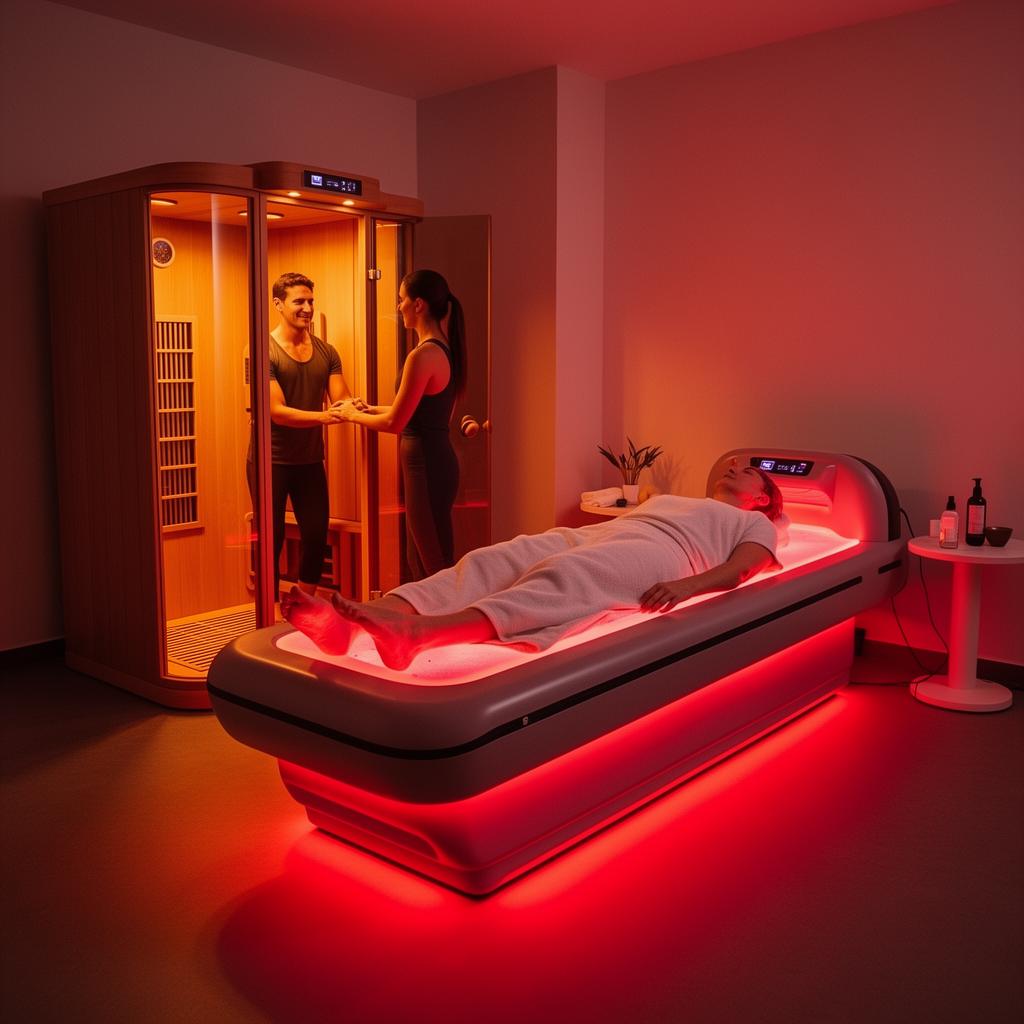
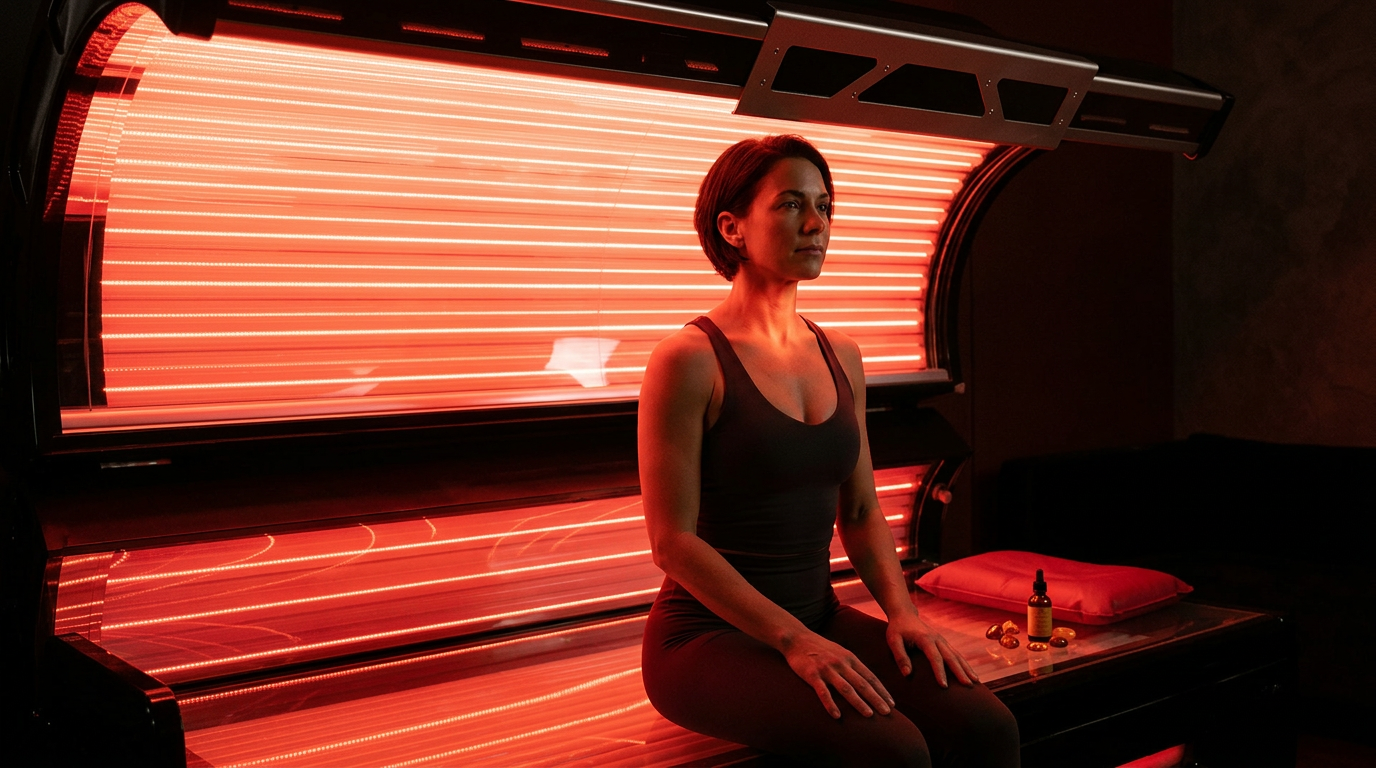
At REDSOL Wellness Club, we offer state-of-the-art red light therapy to help our community harness these powerful benefits. Our professional-grade red light beds deliver optimal wavelengths and dosages, ensuring you receive the most effective treatment possible. For those specifically targeting thyroid health, the application of red light to the neck area is key.
It's important to understand that red light therapy is typically used as an adjunctive therapy, complementing your existing medical treatment, not replacing it. We always recommend consulting with your healthcare provider before starting any new treatment, especially for chronic conditions like Hashimoto's.
Beyond red light therapy, consider other services we offer that support overall cellular health and reduce inflammation, such as infrared sauna for detoxification and relaxation, or body sculpting solutions that utilize light technology to support metabolic health.
The Future of Thyroid Treatment
The research on red light therapy for thyroid conditions is continuously evolving, with more studies exploring optimal treatment parameters, long-term outcomes, and its role in combination with other therapies. The consistent positive results, particularly from robust studies like those by Höfling et al., suggest that PBM therapy is poised to become a more widely recognized and integrated part of managing thyroid dysfunction, offering hope for improved quality of life and reduced reliance on medication for many individuals.
Ready to explore how red light therapy can support your thyroid health and overall well-being?
Frequently Asked Questions About Red Light Therapy & Thyroid Health
Q: Can red light therapy cure Hashimoto's disease?
A: While red light therapy has shown significant promise in managing the symptoms and underlying autoimmune processes of Hashimoto's, particularly in reducing medication dosage and antibody levels (Höfling et al., 2013), it is not typically described as a "cure." Hashimoto's is a complex autoimmune condition, and PBM therapy is best seen as a powerful adjunctive treatment that helps modulate the immune response, repair cellular damage, and improve thyroid function. It can lead to significant improvements and even remission in some cases, but consistent support is often beneficial.
Q: Is red light therapy safe for the thyroid?
A: Yes, numerous studies, including the Höfling et al. research (2013, 2018), have indicated that low-level laser therapy (PBM) applied to the thyroid area is safe and well-tolerated. There have been no reported adverse effects or exacerbation of thyroid conditions with appropriate use. The wavelengths used in PBM are non-ionizing and do not cause cellular damage. It's always advisable to consult with a healthcare professional before starting any new therapy, especially if you have a pre-existing medical condition.
Q: How often should I use red light therapy for thyroid support?
A: The optimal frequency and duration can vary based on individual needs and the specific protocol. The Höfling et al. study (2013) utilized 10 sessions over 20 days. Many protocols for chronic conditions suggest a series of treatments initially (e.g., 2-3 times per week for several weeks) followed by maintenance sessions. At REDSOL Wellness Club, our experts can help you determine a personalized plan based on your health goals and discussion with your doctor. Regularity is often key to achieving and sustaining benefits.
Q: Can red light therapy interfere with my thyroid medication?
A: Red light therapy works at a cellular level to improve thyroid function, and as shown in the Höfling et al. study (2013), it can actually lead to a reduction in the required dosage of thyroid medication over time. It does not directly "interfere" with medication in a negative way. However, because it can improve thyroid hormone production, it's crucial to closely monitor your thyroid hormone levels with your prescribing physician. Adjustments to your medication dosage may be necessary to prevent hyperthyroidism as your thyroid function improves. Do not alter your medication without consulting your doctor.
Q: What other REDSOL services can complement red light therapy for thyroid health?
A: At REDSOL Wellness Club, we offer a holistic approach. Besides our red light therapy, an infrared sauna can aid in detoxification and reduce systemic inflammation, both beneficial for autoimmune conditions. For cellular optimization and energy production, NAD+ therapy can be highly impactful, as NAD+ is crucial for mitochondrial function. Additionally, peptide therapy offers targeted communication molecules that can support various bodily systems, including immune regulation and cellular repair, which can be valuable for autoimmune conditions. We recommend discussing your specific needs with our wellness specialists during your intro visit.
Ready to Try Red Light Therapy?
Try your first Red Light Pro-Bed session for just $29 and see the difference medical-grade therapy makes.